
Spinal Tap and the highs/lows of the rockstar persona
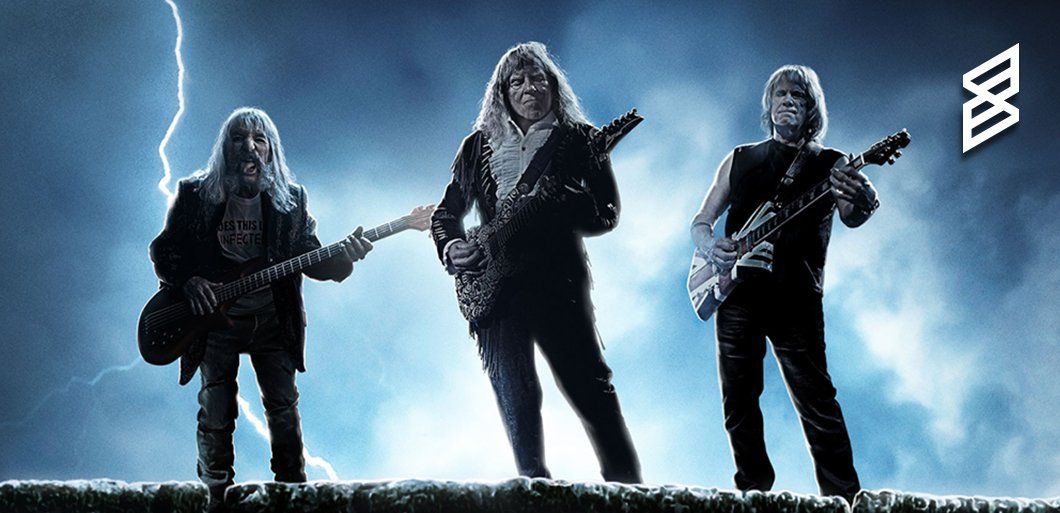
To celebrate the release of Spinal Tap II: The End Continues, we’ve looked back at the original film and how its satire captures the best and worst of the rockstar persona.
Skiddle Staff
Date published: 12th Sep 2025
It isn’t hard to picture what a rockstar looks like. Musical history has gifted us figures of adoration across its various eras, from Elvis Presley to The Beatles, Black Sabbath and Oasis. These totemic figures had *it*, a special quality that saw them become hugely influential figures within popular culture. Whether it be the iconic outfits of rock and metal bands such as Aerosmith or Kiss, the arm-swinging attitude of Liam Gallagher or the magnetism of Freddie Mercury’s vocals, they had the ability to inspire and change the world around them.
Although, despite the adoration and the acclaim that being a musical hero could bring you, it wasn’t all endless success, copious amounts of drugs and hotel rooms being trashed. Not much exemplifies some of the harsh realities of the rockstar lifestyle than 1984’s This Is Spinal Tap, which followed a fictional band on the downward slide from success.
The documentary-style film introduces us to the main trio of Derek Smalls (Harry Shearer), Nigel Tufnel (Christopher Guest) and David St Hubbins (Michael McKean), the core members of Spinal Tap. And from first impressions, they’re on the up, they have everything you’d expect from a rock band of the era, elaborate stage design, they pull overdramatic poses with their guitars and their outfits are over the top, with Smalls donning bondage gear upon first appearance. It’s only the beginning of the movie’s satirising of rockstar tropes.
"We became The Originals and we had to change our name actually,” remarks St Hubbins in one of the candid interview scenes about the band’s beginnings. It quickly becomes clear that there isn’t anything original at all about Spinal Tap, who seem to flit between rock eras on a whim, having at some point embodied flower power adjacent hippie pop/rock, The Rolling Stones and a wide span of glam rock bands, amongst others.
At the peak of rock stardom, bands were able to both reflect and inform culture. Fashion was a huge part of this. Think of how bands such as The Who inspired a whole subculture in the mods or how the late 70s spawned punk culture in the UK via bands such as the Sex Pistols and The Clash. You can still find punks in Camden to this day. Glam rock names, including Alice Cooper, brought sequins, leather trousers and jumpsuits to the stage. T-Rex’s Marc Bolan was the blueprint for the genre, and his distinctive glam-rock outfits ended up influencing both Gucci and Saint Laurent.
What This Is Spinal Tap captures so well about the rockstar phenomenon is the inherent ridiculousness of such a figure existing in popular culture. Exaggerating the characters to the maximum, we get Smalls playing a bass that is two stacked on top of each other, Tufnel crashing out over the size of some bread, and of course, the infamous “These go to 11” scene.
What makes rockstars so endearing is their showmanship, their ability to do the ridiculous and win over scores of fans in the process. Whether through ego or simply a lack of thought, this has led to some of music’s most iconic and strangest moments. Like the time Ozzy Osbourne bit the head off a bat, or when Jimi Hendrix set his guitar ablaze in Monterey. There was also the time Michael Jackson had a huge statue of himself float down the Thames, and more recently, Matty Healy of The 1975 decided to eat raw meat on stage. It’s all in the name of showbiz!
Antics like these catch the eyes of the tabloids too, and rockstars have historically been prime fodder for paper talk. The rockstar lifestyle was labelled as idealistic, and the typical cliche that emerged was that of a male, serial womaniser, who had substance problems. This was a life of excess celebrated. On the other hand, women were much less likely to be celebrated for these traits. Rockstars have always filled up gossip sections, with the general public fascinated by any band drama they could pick up on. Memorable examples include Yoko Ono’s relationship with The Beatles, the Gallagher brothers, who have dominated discussions and divided music fans since the 90s, and Fleetwood Mac, whose dramas were so palpable they made their way into the songs.
Mirroring this, it all starts to fall apart for Spinal Tap. As more shows start to get cancelled on their US tour, St Hubbard’s girlfriend Jeanine ends up taking over the band’s management. Her time at the helm sees the band quickly going downhill, as they end up playing second on the bill to a puppet show in an amusement park. It sees Tufnel leave the band out of frustration. But, the writing had already been on the wall with one of the band’s earlier album reviews simply calling it a “s*** sandwich”, and they had a debacle over their inherently sexist album cover, which resulted in new album Smell The Glove simply being printed with a black square as its cover.
They are victims of the culture of relevance, as they find themselves on a downward spiral. Towards the start of the movie, the band close the window to their limo driver, who declares that the band “is a fad”. And he’s proven correct. New artists take the spotlight, and Spinal Tap loses relevance. Sometimes bands peak and lose ground from that point onwards, and a familiar thread is explored in the film Anvil: The Story of Anvil, which is a real example of a Spinal Tap journey from success to obscurity.
One of the reasons why This Is Spinal Tap has remained such a cultural icon is its enduring relevance to the rockstar cliche, for better and worse. An example of the idolised ridiculousness and personalities we adore on the biggest stages, whilst also exploring the throwaway culture of music, which sees bands fall into obscurity all too easily, and still happens to this day.
Society has outgrown rockstars in some ways; the old sex, drugs and rock n’ roll cliche has failed to modernise. Addiction is no longer seen as a heroic trait of celebrities; instead, we actively encourage people to seek help, to avoid losing them well before their time. But people want to connect to their performers, to see someone with that air of unpredictability, that sense of personality that makes them completely enigmatic. The rise of other genres, viral culture and poor pay from streaming services has led to more individual artists than ever. New bands need to be encouraged, to have the support in place to rise through the ranks, only then will we find the next born performers.
To keep up with the latest live music news, keep up to date on our news page.
Follow us on Instagram, TikTok, Threads, Facebook, and YouTube for the latest music and events content.


Read more news


Articles you may be interested in



Gigs ● Clubs ● Festivals ● Things to do
“On your side since 2001, because we believe true fans deserve a fairer and smarter way to discover events they love.”
Why use Skiddle?
- Rated 5 stars on reviews.co.uk
- Over 17 million tickets sold
- Over 4.3 million happy customers
- Skiddle Supports - Together, we are More Than A Ticket
- Official Primary Ticket outlet
- Established 2001
- Support the Fanfair Alliance
- Sustainability - Make a positive impact
© 2001 - 2026 Skiddle Ltd | Skiddle is a registered trademark | ALL RIGHTS RESERVED